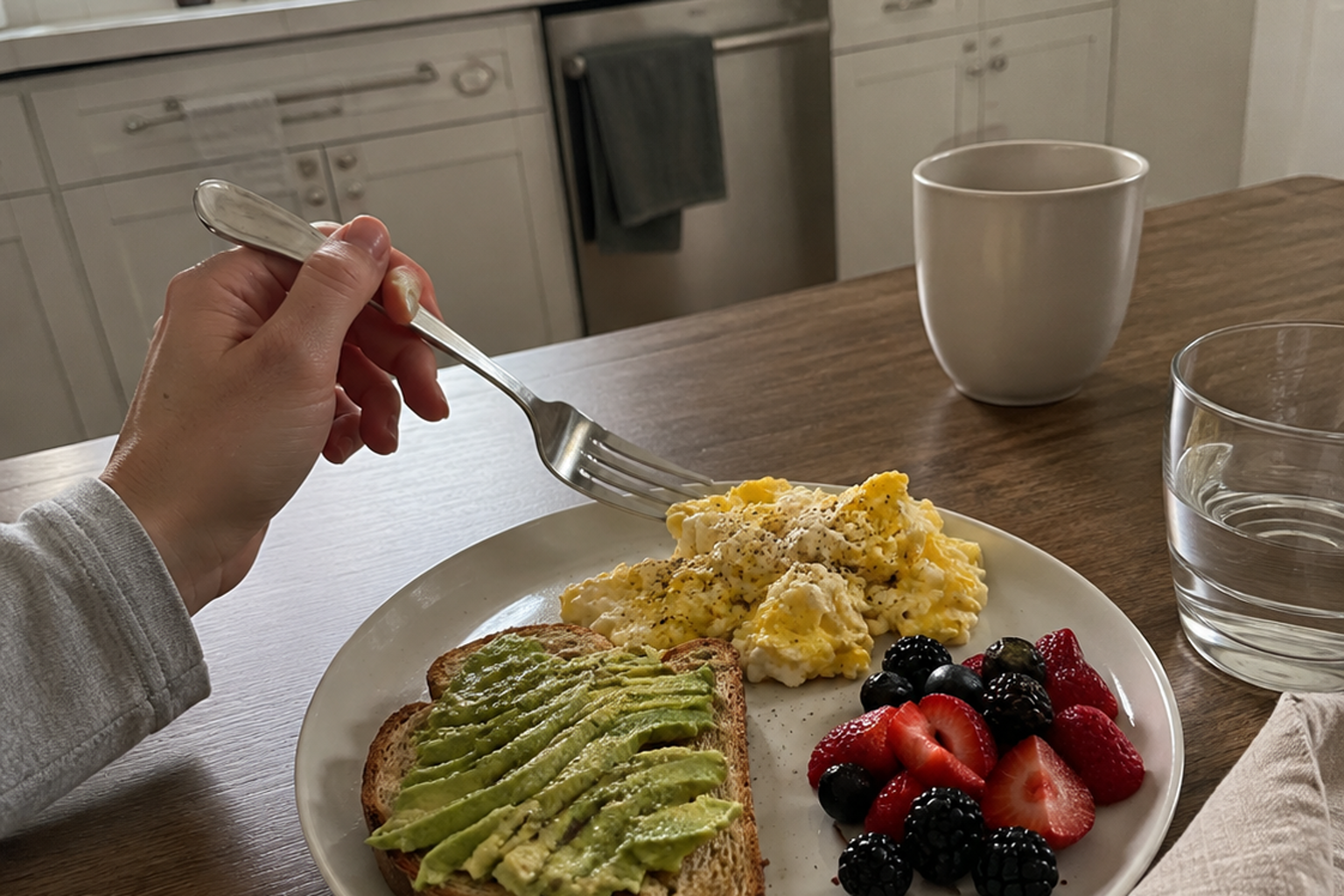
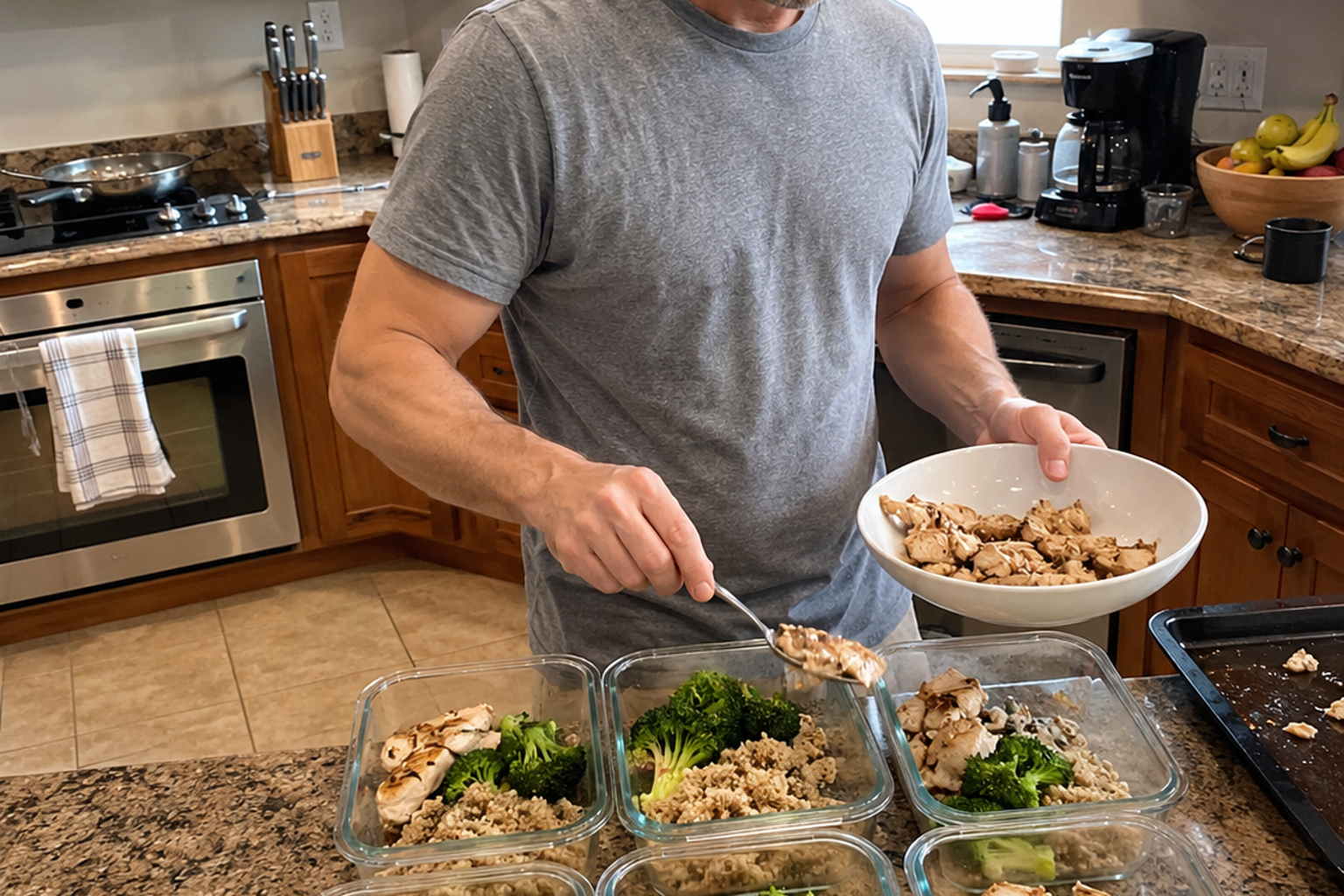
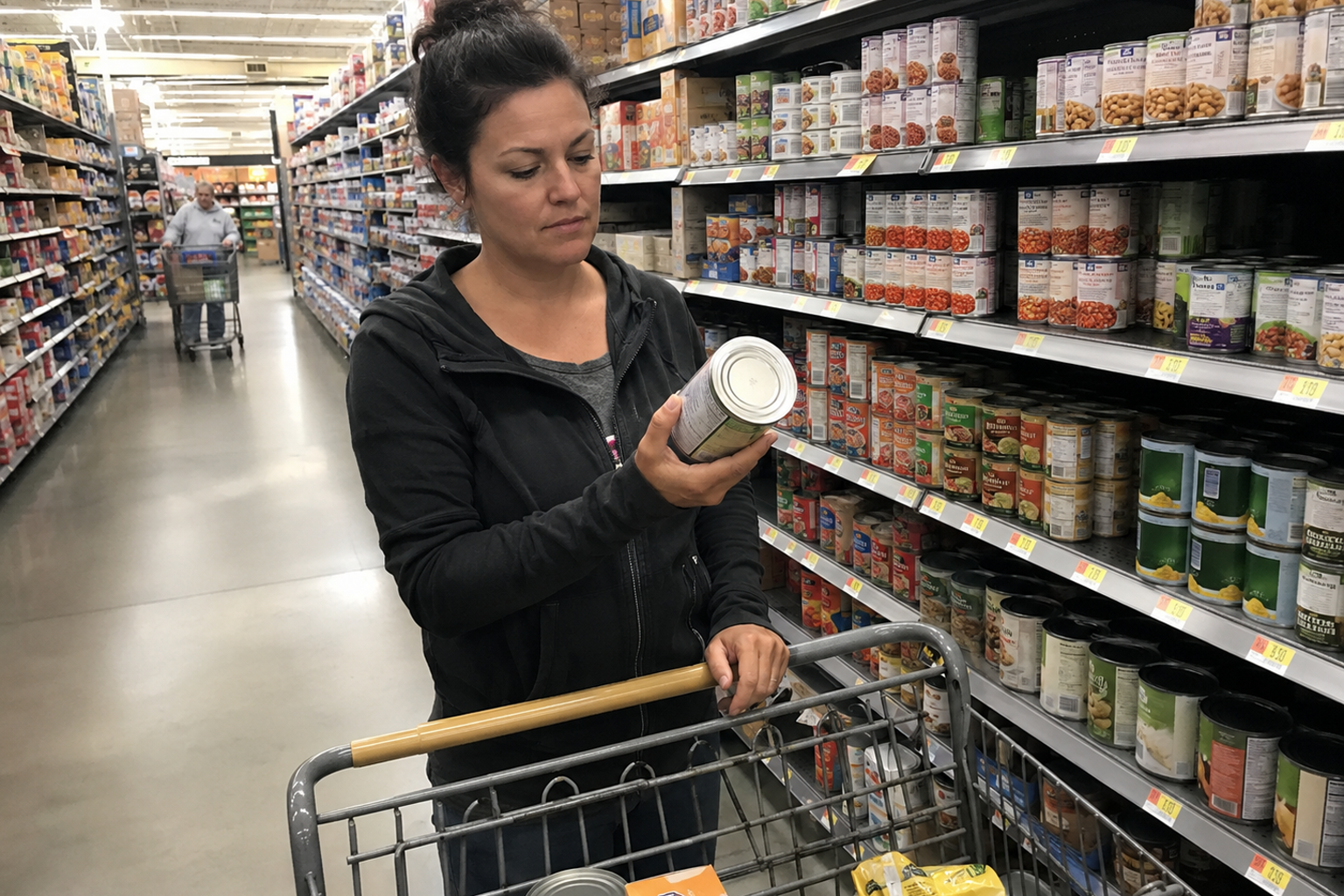
Nutrition experts say spreading protein evenly across meals, not just eating more of it, becomes increasingly important for maintaining muscle as we age.
Magnesium supplements have become a nightstand staple for sleep-seekers, but not all forms are created equal, and the evidence behind the trend is more mixed than marketing suggests.
That familiar dread creeping in on Sunday evening has a name, a cause, and, psychologists say, some genuinely effective countermeasures.
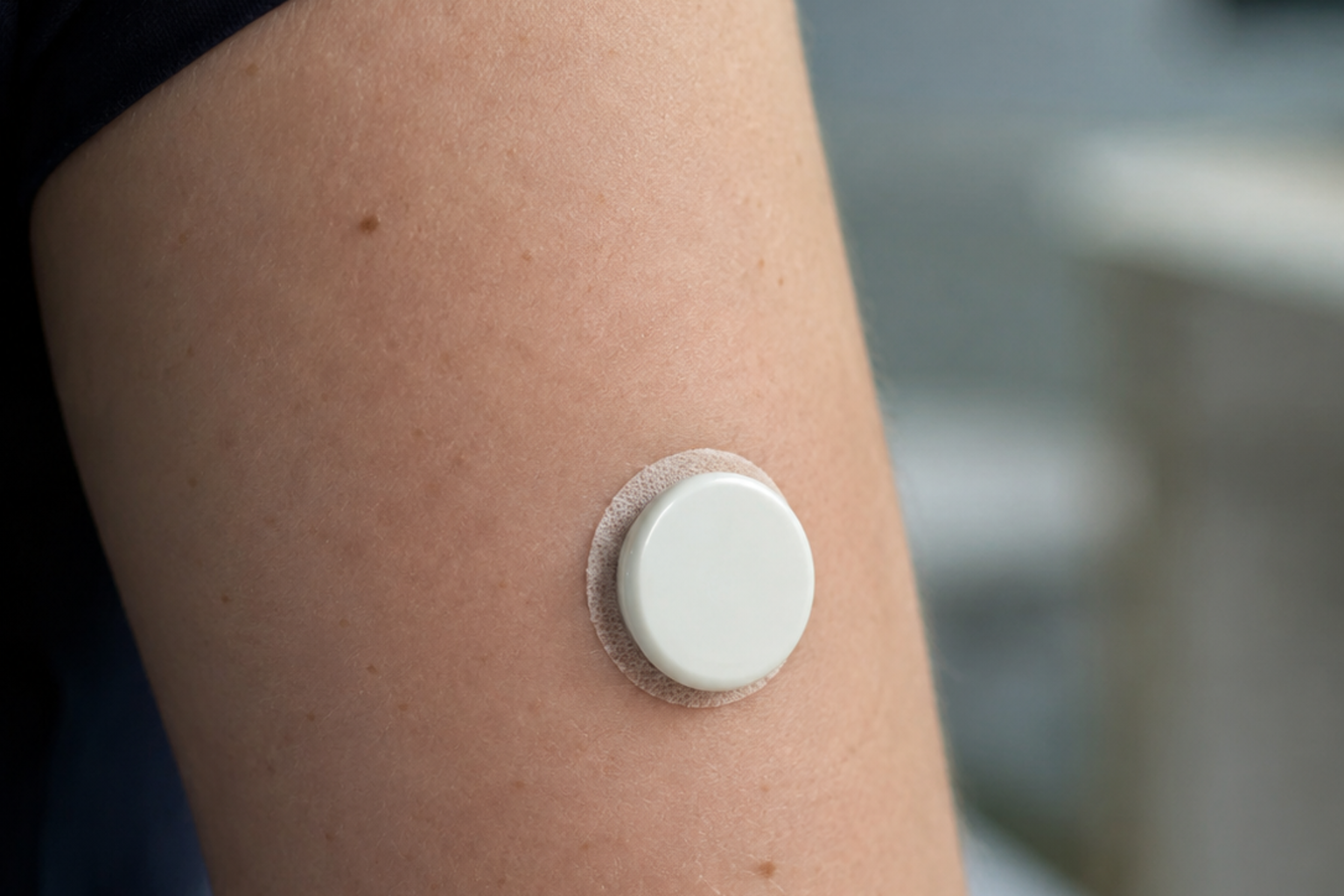
Federal regulators have broadened access to over-the-counter continuous glucose monitors, a move health experts say could reshape how everyday Americans track their metabolic health.
After years of ever-expanding skin care routines, dermatologists say a growing number of patients are dealing with damaged skin barriers, and the fix is often addition by subtraction.
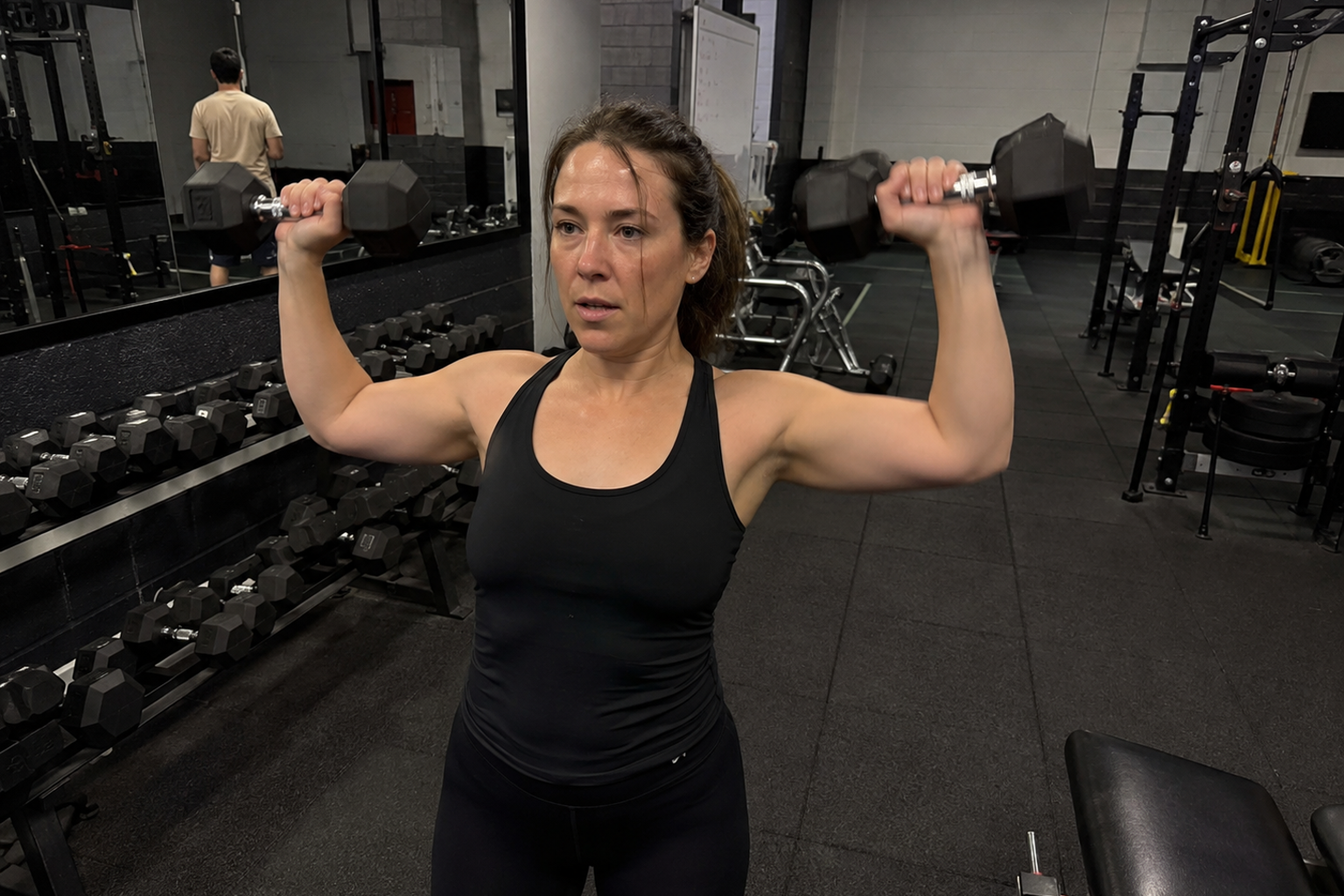
New research suggests two weekly strength sessions can deliver most of the muscle and strength benefits people are after, easing pressure on time-strapped exercisers.
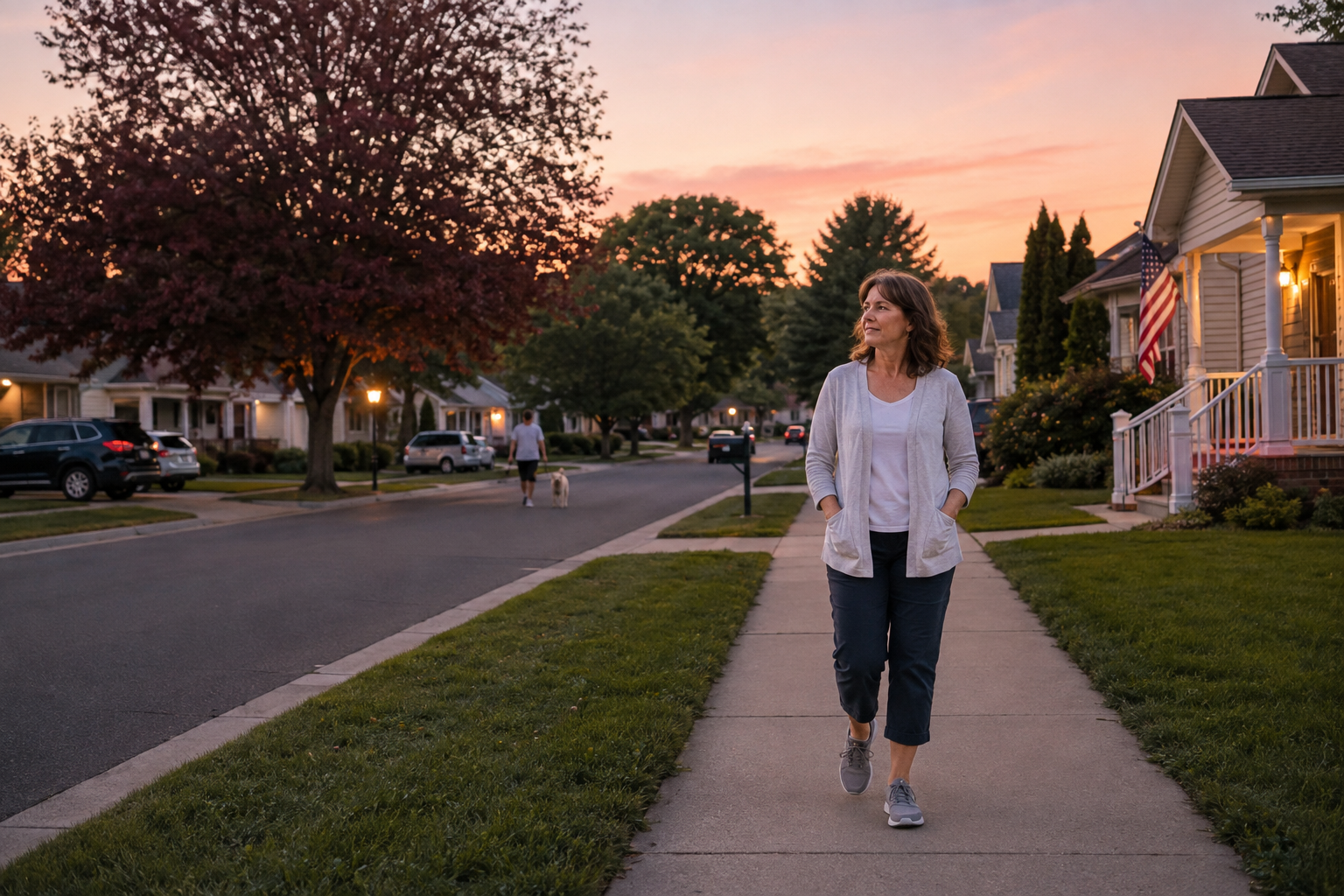
Researchers say how fast older adults walk may matter as much as how far, with brisk walkers showing markedly better long-term health outcomes.
A viral morning routine promising fat loss through 30 grams of protein and 30 minutes of low-intensity exercise has dietitians offering a mix of praise and pushback.
A short walk after eating does more for blood sugar and digestion than many people realize, and researchers say the effect shows up almost immediately.
Scalp serums and exfoliating treatments have exploded in popularity, and dermatologists say the trend, while occasionally overhyped, has real dermatological merit.
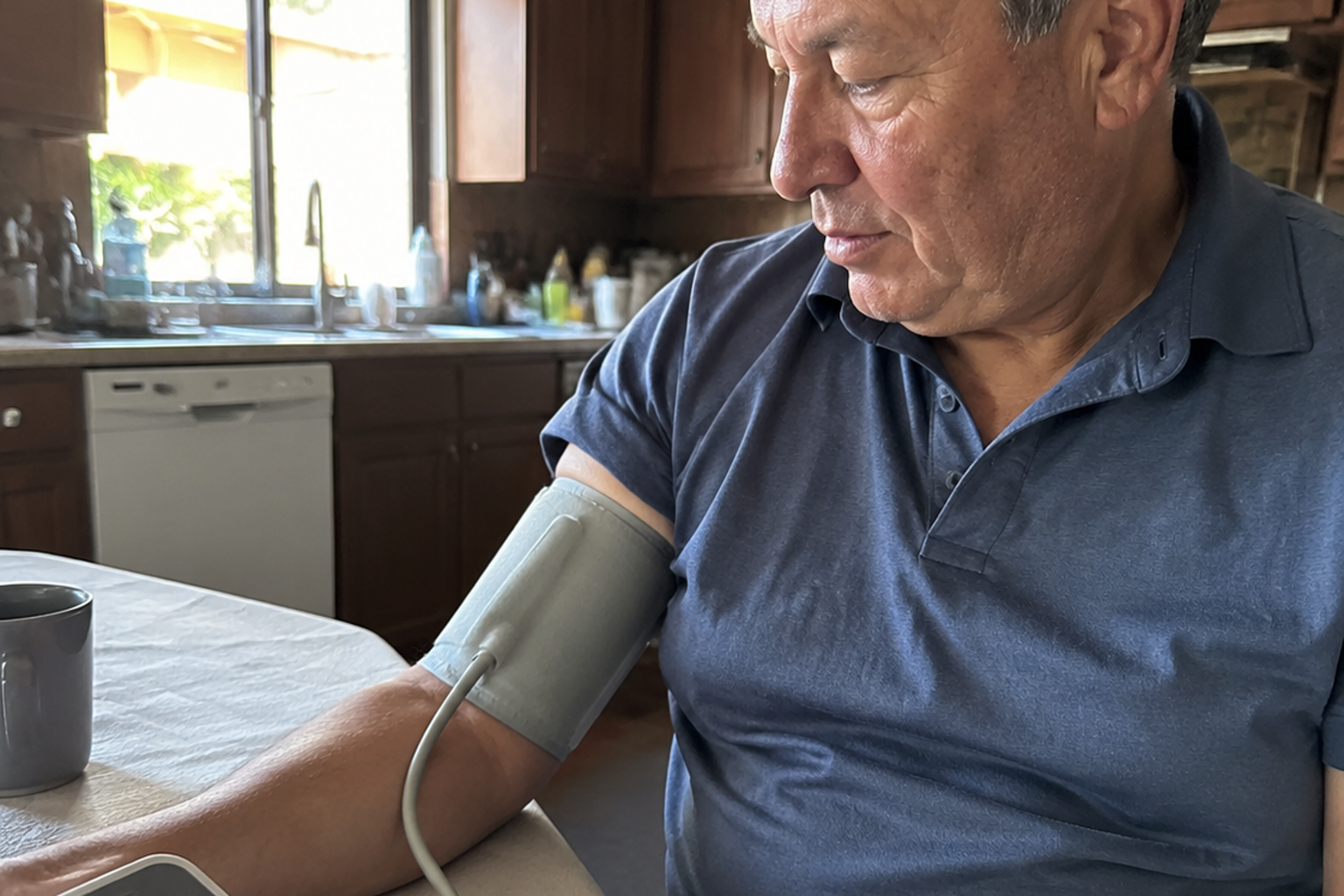
Updated blood pressure guidance has shifted how doctors classify healthy readings, leaving many Americans wondering what their home monitor numbers actually mean now.